
So I was poking around Solana wallets the other day. Whoa! Phantom is slick and fast on Chrome and Safari. It felt almost invisible until I needed to sign a transaction. Initially I thought browser extensions were a quaint legacy, but after testing Phantom with a DEX and a few NFT drops, I realized the extension model still offers unmatched convenience — though it comes with trade-offs that deserve scrutiny.
My instinct said the UX would be clunky, and I braced for slow loads. Really? But Phantom surprised me with smooth key management and clear permission prompts, which eased the usual friction. Here’s what bugs me though: recovery phrases are still scary for everyday users, and copy-paste risks linger. On one hand, the extension model gives developers immediate access to wallet APIs and deep integration with dApps, though actually, wait—let me rephrase that, because while integration is powerful it also raises questions about attack surface and browser-based vulnerabilities that require constant vigilance.
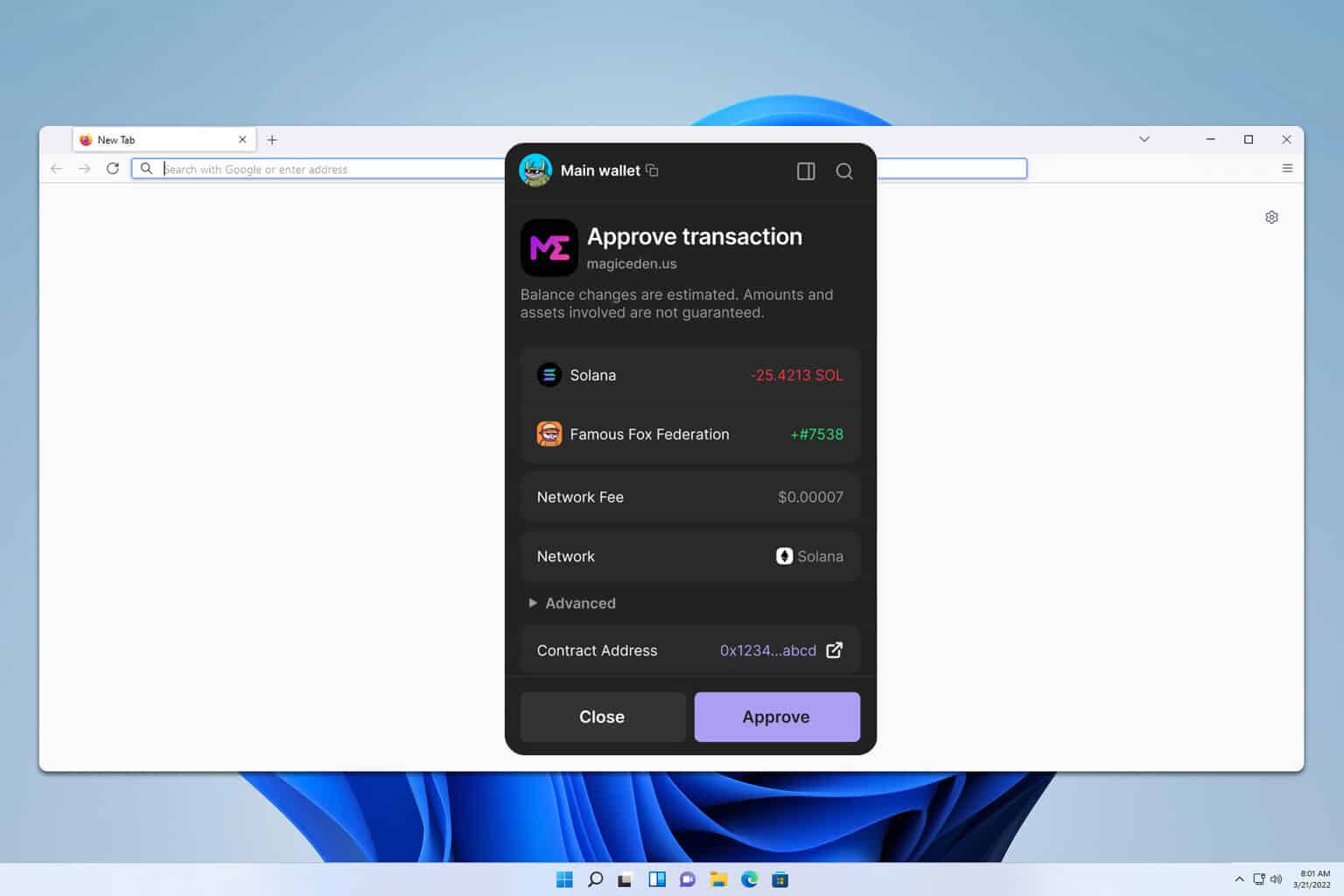
Something felt off about a permissions modal during an NFT mint. Hmm… It asked for “sign this message” with no clear human-readable explanation, which is a red flag for many users. I’ll be honest — that part bugs me, because even seasoned users can misclick or misinterpret intent. So I walked through the code paths, inspected transaction payloads, and tried different wallet configurations to see where the experience could be tightened, and that hands-on troubleshooting exposed both solid engineering and some UX holes that need better guardrails.
Want to install Phantom? Read this first
If you want to try Phantom yourself, the extension installs quickly and the onboarding is straightforward. Wow! I prefer installing from reputable sources and verifying permissions before connecting to any dApp. For a straightforward download and setup walkthrough, check this resource that walked me through a safe install — it’s useful for Chrome and other browsers: https://sites.google.com/cryptowalletextensionus.com/phantomwalletdownloadextension/ .
Do not skip the recovery phrase step, and consider a hardware wallet for large balances because browser extensions are convenient but not a substitute for cold storage when you hit real exposure. Security practices aside, the speed on Solana with Phantom is genuinely impressive compared with some older chains. Seriously? Transactions confirm in under a second most of the time, and that snappiness changes how you use dApps. I’m biased, but that immediate feedback makes DeFi swaps feel less stressful, and somethin’ about it keeps you clicking—sometimes too much. However, speed doesn’t absolve responsibility; you still need to audit the dApp, watch for fake sites, and understand the approval scopes you grant, because a single signed message can open up losses if you’re not careful.
FAQ
Is a browser extension wallet like Phantom safe?
Short answer: yes and no. The wallet is well engineered and widely used, but browser extensions increase attack surface compared with hardware wallets. Use Phantom for convenience and day-to-day activity, but keep most funds in cold storage if you care about long-term security.
How do I verify I’m installing the real extension?
Check the publisher name, look for official links from known projects, and verify reviews and install counts. (oh, and by the way…) cross-check the URL and never follow random links from social media DMs. If somethin’ smells off, pause and double-check — it’s worth the extra minute.
Should I connect Phantom to every dApp I visit?
No. Grant the minimum permissions necessary and disconnect when you’re done. My instinct said blanket approvals would be fine, but experience taught me to be precise with access — permissions are the currency here.